
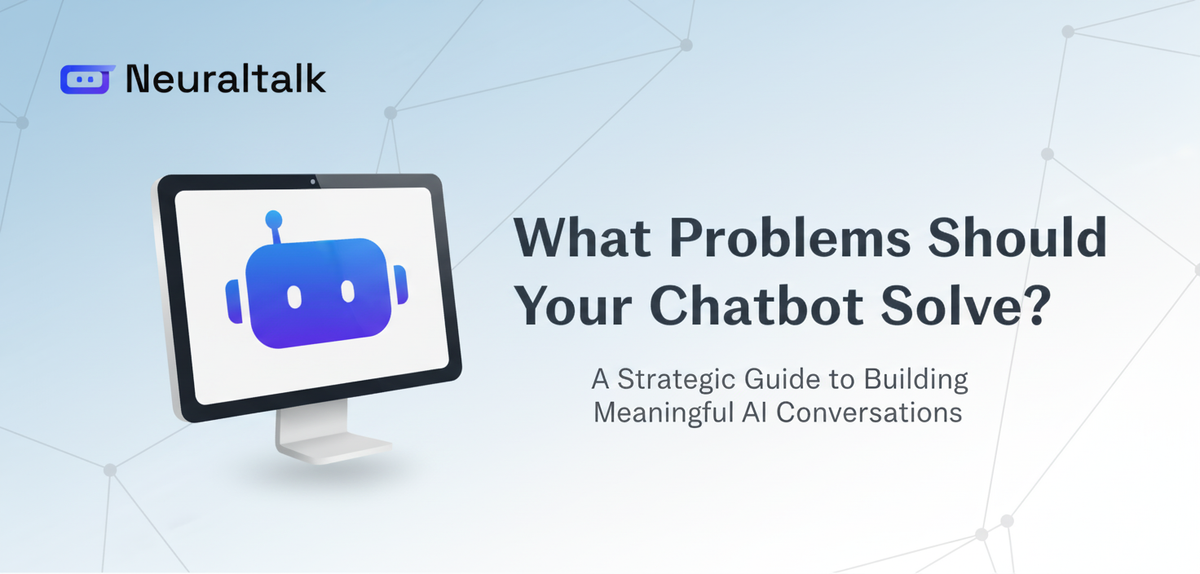
What Problems Should Your Chatbot Solve? A Strategic Guide to Building Meaningful AI Conversations
An AI chatbot should be able to solve multiple challenges for your business. More than a tool, it should act like a business partner that handles all customer support challenges.
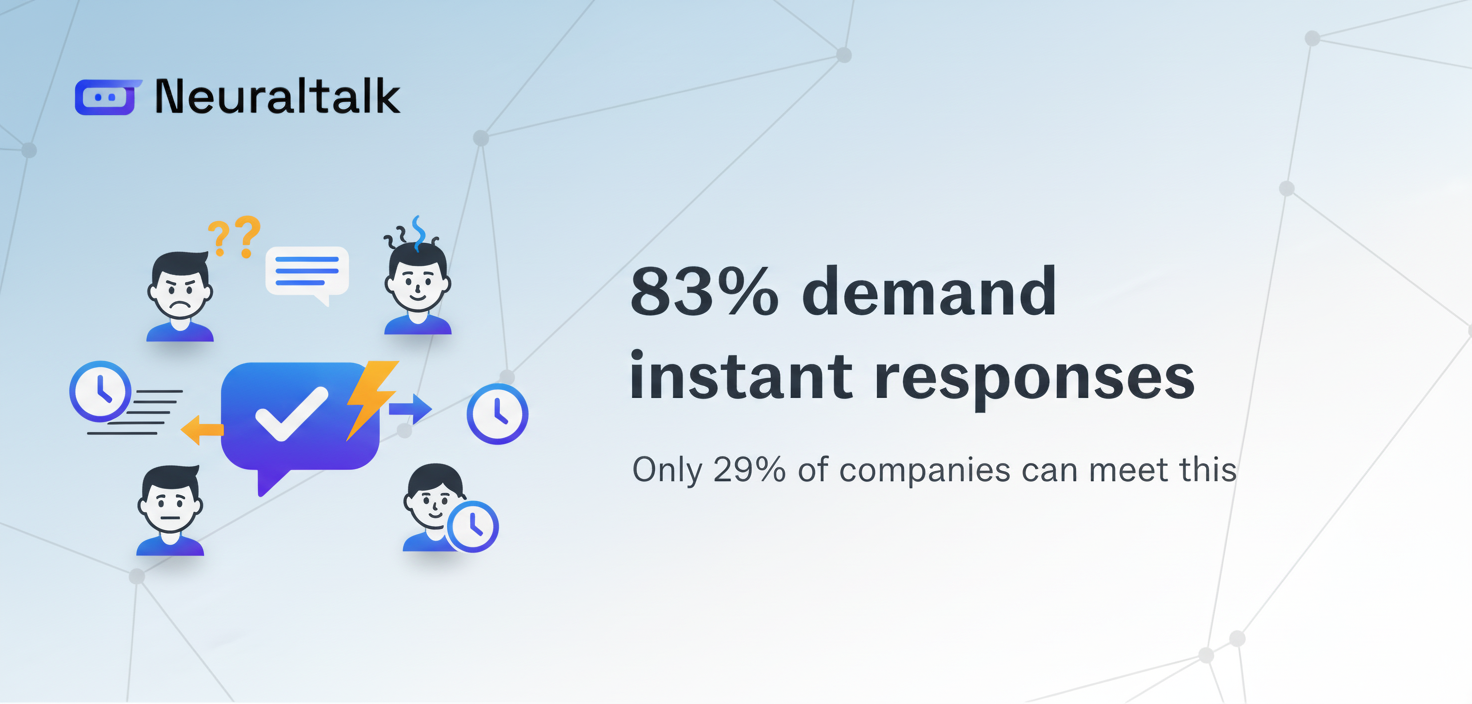
What's fascinating is that while chatbots are everywhere these days, most companies are missing the mark on what they should actually accomplish. Salesforce's 2024 State of Service report reveals a striking reality: 83% of customers demand instant responses when reaching out to businesses, but only 29% of companies can meet this expectation. This disconnect creates an enormous window of opportunity – provided you're thoughtful about the specific challenges your chatbot addresses.
Let me break this down for you. The most successful chatbots aren't trying to be everything to everyone. Instead, they're laser-focused on solving specific, high-impact problems that genuinely improve the customer experience while reducing operational costs.
The Foundation: Understanding Your Customer Pain Points
Before you even think about chatbot features, you need to identify where your customers are actually struggling. Zendesk's 2024 Customer Experience Trends Report reveals that 61% of customers have switched to a competitor after just one bad service experience. What's interesting is that most of these "bad experiences" stem from three core issues: long wait times, repetitive questions, and lack of 24/7 support.
Picture this scenario: It's 11 PM on a Sunday, and your customer can't figure out how to reset their password. They're frustrated, they need help now, and your support team won't be available until Monday morning. This is exactly the type of problem a well-designed chatbot should solve – not because it's technically impressive, but because it prevents customer churn at a critical moment.
High-Impact Problems Your Chatbot Should Tackle
- Instant FAQ Resolution and Self-Service Support
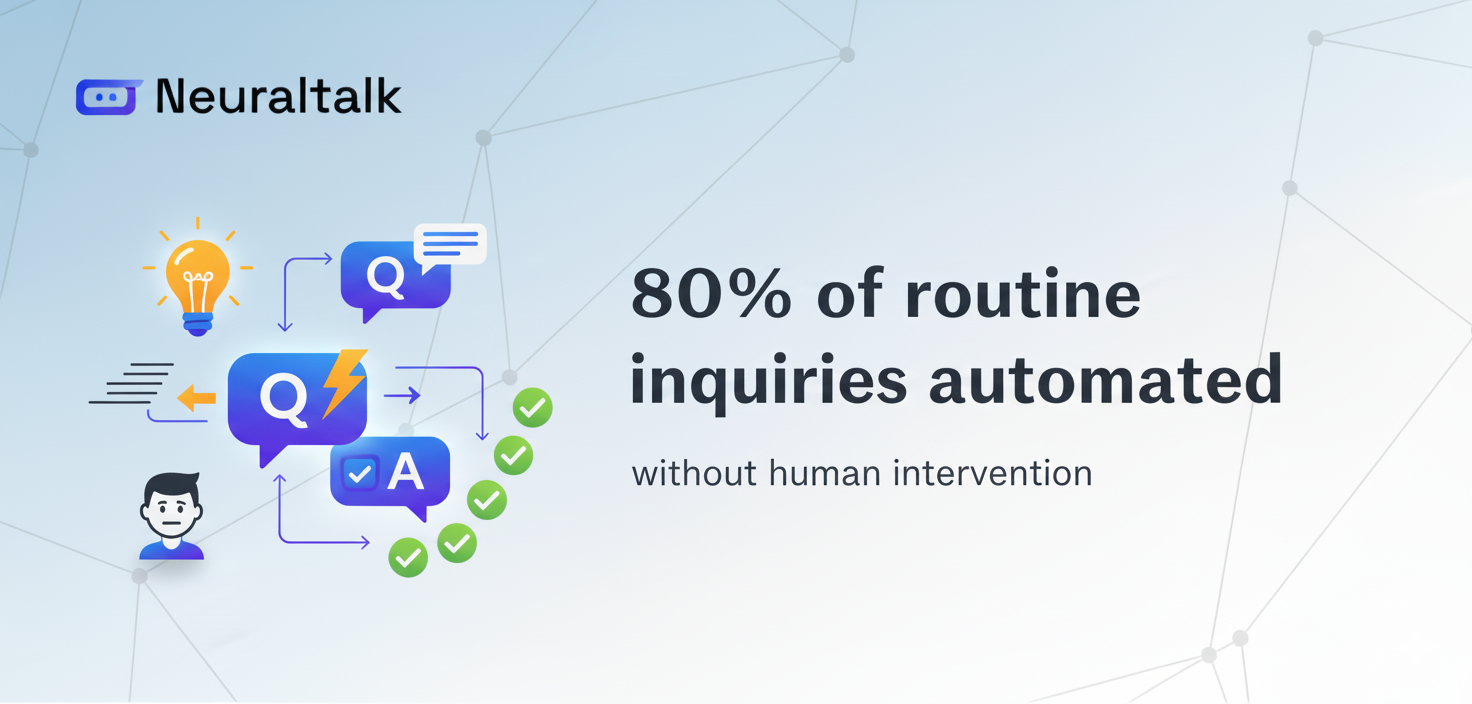
Your chatbot's primary mission should be handling the questions your team answers dozens of times per day. IBM's research shows that chatbots can successfully resolve up to 80% of routine customer inquiries without human intervention. But here's what most people get wrong – they try to automate everything instead of focusing on the most frequent, straightforward issues.
The sweet spot lies in identifying your top 10-15 most common questions and making your chatbot absolutely brilliant at answering them. For example, Domino's Pizza's chatbot primarily focuses on order tracking, store locations, and menu questions, simple problems that represent about 70% of their customer service volume. By nailing these basics, they've reduced average response time from 3 minutes to 30 seconds while maintaining 95% customer satisfaction scores.
- 24/7 Availability for Time-Sensitive Issues
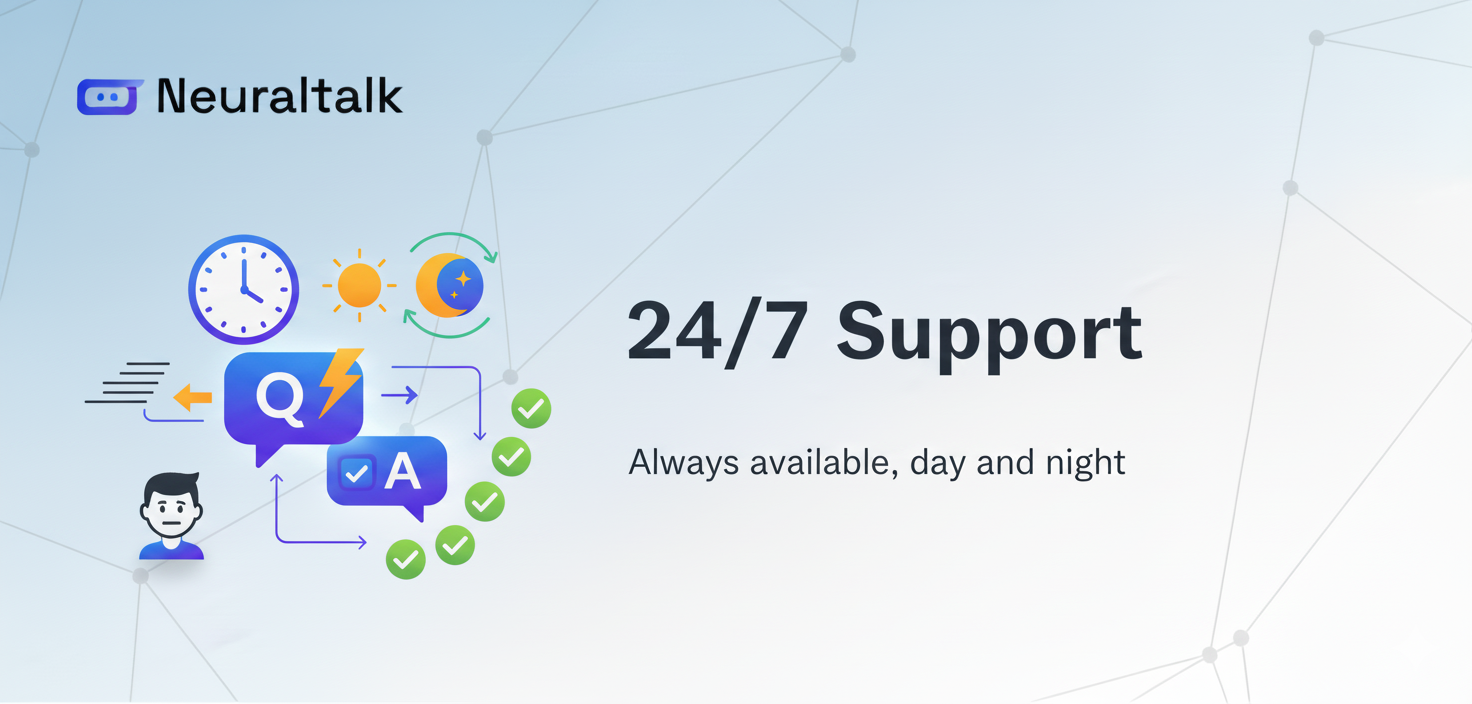
According to Microsoft's Global State of Customer Service report, 90% of customers expect brands to offer an online portal for self-service, and 60% expect 24/7 availability. Your chatbot should bridge the gap when human agents aren't available, particularly for urgent issues like account lockouts, payment problems, or service outages.
Consider how Bank of America's Erica handles after-hours banking inquiries. Rather than trying to replace human financial advisors, Erica focuses on account balances, transaction history, and basic troubleshooting, problems that customers need solved immediately, regardless of the time. This targeted approach has led to over 1.5 billion client interactions since launch, with 42% of clients using Erica regularly.
- Lead Qualification and Initial Customer Onboarding
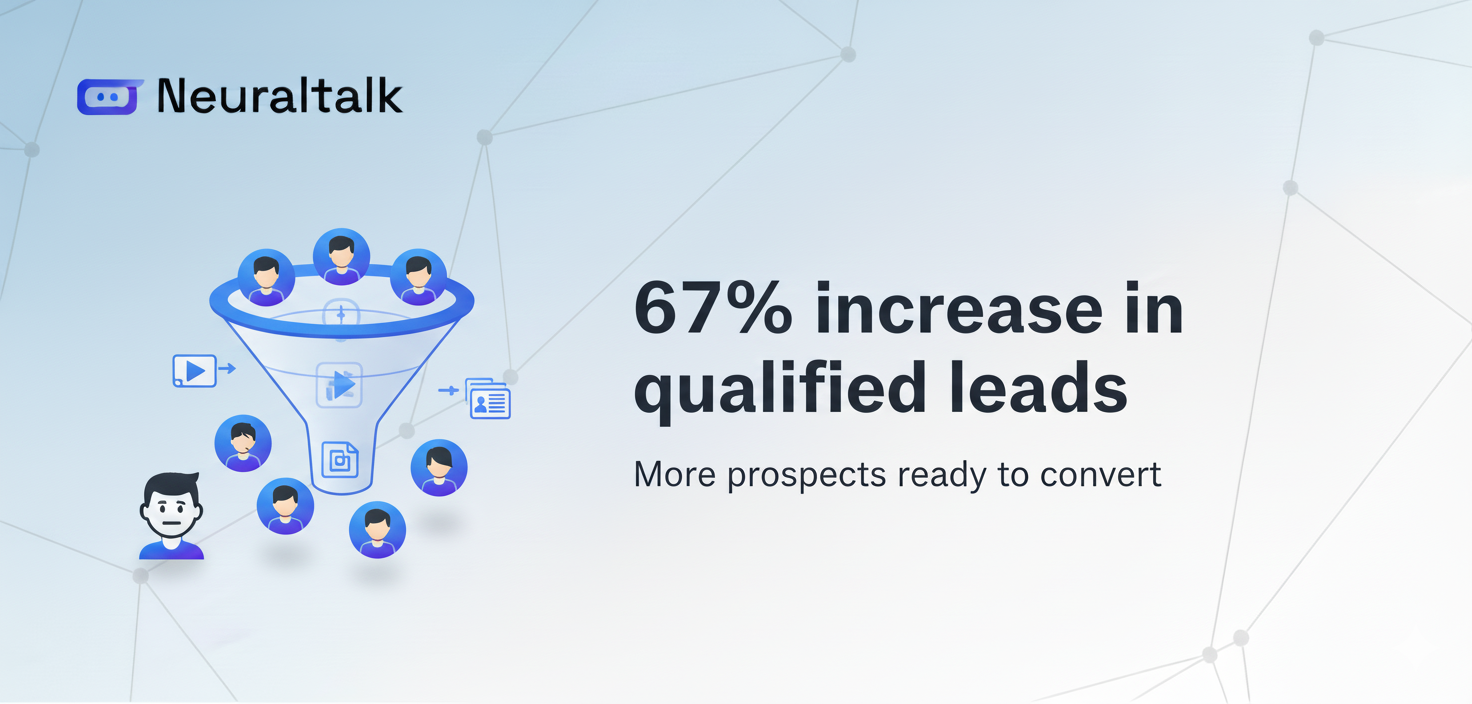
Smart businesses use chatbots to qualify leads before they reach sales teams. HubSpot's 2024 State of Marketing report found that companies using chatbots for lead qualification see a 67% increase in qualified leads and a 35% reduction in cost per acquisition.
Your chatbot should ask the right questions upfront: What's your budget? What's your timeline? What specific challenges are you facing? This isn't about being pushy – it's about ensuring that when a human salesperson takes over, they're armed with context and can provide immediate value. Drift's conversational marketing platform exemplifies this approach, with its chatbots generating over $100 million in pipeline for their clients by focusing purely on qualification rather than trying to close deals.
- Appointment Scheduling and Booking Management
Here's a surprising statistic: 67% of customers prefer to book appointments online rather than calling, yet many businesses still rely on phone-based scheduling. Your chatbot should handle appointment booking, rescheduling, and cancellations seamlessly.
Sephora's chatbot handles beauty consultations and appointment bookings across 1,600+ stores, processing over 5 million conversations monthly. The key to their success? They focused on one specific problem, making it ridiculously easy to book services. Rather than trying to provide makeup advice or product recommendations through the bot.
Problems Your Chatbot Should NOT Try to Solve
- Complex Technical Troubleshooting
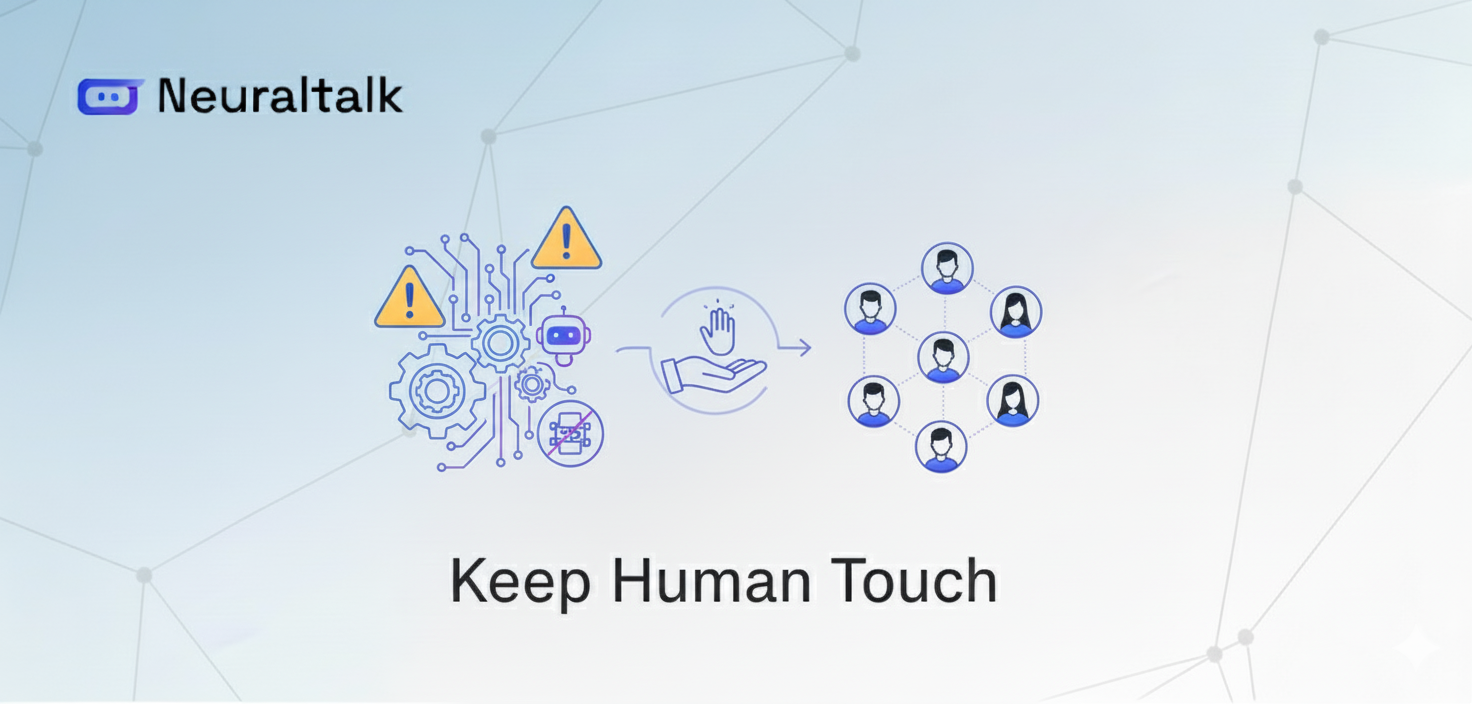
While it's tempting to automate technical support, complex troubleshooting often requires human intuition and problem-solving skills. According to Gartner's 2024 Customer Service Technology report, 73% of customers become frustrated when chatbots can't escalate complex issues to humans quickly.
Instead of trying to diagnose intricate technical problems, your chatbot should focus on gathering initial information and routing customers to the right human expert. Think of it as a smart triage system rather than a replacement doctor.
- Emotional or Sensitive Situations
Chatbots excel at efficiency, but they lack emotional intelligence. Customer complaints, billing disputes, or service failures require empathy and nuanced communication that AI simply can't provide authentically. A 2024 study by PwC found that 82% of customers want more human interaction when dealing with sensitive issues, not less.
Your chatbot should be programmed to recognize emotional language and immediately transfer these conversations to human agents. Phrases like "I'm frustrated," "this is unacceptable," or "I want to cancel" should trigger instant escalation.
Making the Right Choice: A Strategic Framework
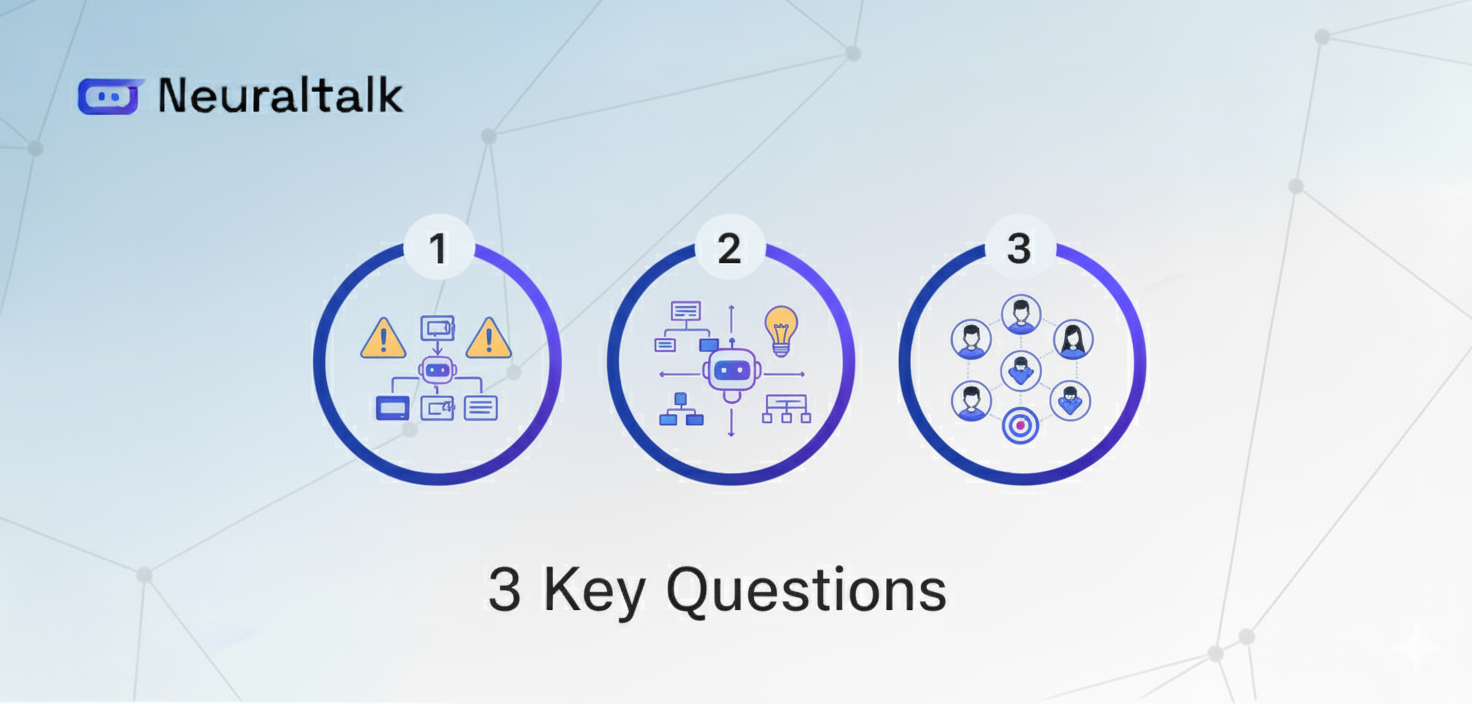
When deciding what problems your chatbot should solve, ask yourself these three questions:
- Is this problem repetitive and rule-based? If the solution follows a predictable pattern, it's perfect for automation.
- Does solving this problem create immediate value for customers? Focus on pain points that genuinely improve the customer experience.
- Can failure be easily recovered from? Start with low-risk interactions where mistakes won't damage relationships.
The Future-Forward Approach
Looking ahead, the most successful chatbots will integrate with emerging technologies like voice assistants and predictive analytics. Forrester predicts that by 2025, 75% of customer service interactions will be proactive rather than reactive, with AI identifying and solving problems before customers even realize they exist.
But here's the key insight: regardless of how sophisticated the technology becomes, the fundamental principle remains the same. Your chatbot should solve real problems that real people have, not showcase every cool feature you can build.
Your Next Steps
Start by auditing your current customer service data. What are your top 10 most frequent inquiries? Which problems cause the longest wait times? Where do customers express the most frustration? These insights will guide your chatbot strategy far better than any technical specification.
Moreover, don't try to build a custom AI agent for yourself. Use a platform that can take care of everything for you. With NeuralTalk AI Chatbot builder, you can build custom AI Chatbots and handle customer support challenges.